Why Schools Struggle to Teach Entrepreneurship
Education systems around the world have long been structured to impart traditional academic knowledge, preparing students primarily for conventional career paths. This focus on standardized subjects often leaves little room for the essential skills needed to foster entrepreneurship. Schools tend to emphasize mental discipline through deadlines and assignments, which can stifle innovative thinking. While some universities have begun to offer specialized entrepreneurship programs, the overarching goal of education remains geared toward career preparation for the job market. This disconnect between the skills taught and the needs of aspiring entrepreneurs is a significant barrier to nurturing future innovators. The traditional view of education often equates success with academic achievement, measured by grades and test scores. This approach can diminish the importance of creativity and risk-taking, which are vital for entrepreneurial success. As a result, students may graduate with impressive transcripts but lack the entrepreneurial mindset necessary to navigate the complexities of starting and running a business. By prioritizing conventional academic disciplines, schools inadvertently send the message that entrepreneurship is a secondary pursuit, thereby limiting the potential for students to explore this path.
The Purpose of Education
The primary purpose of education has historically been to prepare students for traditional careers. Schools often focus on standardized subjects like math, science, and literature, which, while important, leave little room for entrepreneurial training. This narrow focus restricts the exploration of creativity and innovation, two crucial components of successful entrepreneurship. Additionally, the emphasis on mental discipline through assignments and deadlines can inhibit students’ ability to think outside the box and develop original ideas. In many educational settings, the curriculum is designed to meet the demands of the job market, preparing students to fill roles in established companies rather than encouraging them to create their own opportunities. Consequently, students are socialized into a mindset that values job security over entrepreneurial risk-taking. This disconnect between educational goals and the dynamic nature of entrepreneurship can lead to a lack of preparedness for those who aspire to become entrepreneurs, ultimately stifling innovation and economic growth.
The Misconception of Entrepreneurship Training
A common misconception is that entrepreneurship can be effectively taught in a traditional classroom setting. While some elements of entrepreneurship can be addressed through coursework, the most successful entrepreneurs often learn through real-world experiences rather than formal education. The average age of first-time entrepreneurs is around 40, highlighting the importance of life experience in entrepreneurial success. Schools may introduce basic concepts of entrepreneurship, but these lessons are frequently overshadowed by traditional subjects. Many students are not prepared or inclined to pursue entrepreneurship during their college years, often viewing it as an uncertain career path. This lack of preparedness can deter young people from exploring their entrepreneurial potential, reinforcing the belief that entrepreneurship is not a viable option for them. Educational institutions must recognize that practical experience and mentorship are critical components of entrepreneurial training, rather than relying solely on theoretical knowledge.
The Factory Model of Education
The factory model of education, wherein schools operate like factories producing qualified workers, poses a significant challenge to fostering entrepreneurial talent. This model serves the interests of businesses that require trained employees, often at the expense of nurturing independent thinkers and innovators. The curriculum is designed to meet immediate job market needs, neglecting the aspirations of students who may wish to pursue entrepreneurial ventures. As a result, schools prioritize producing adept workers who can contribute to existing companies rather than encouraging students to think creatively and develop their own business ideas. This systemic issue perpetuates a cycle in which students are conditioned to seek employment rather than create their own opportunities. By failing to cultivate an entrepreneurial mindset, the education system ultimately limits the potential for innovation and economic advancement in society.
Economic Constraints on Schools
Implementing effective entrepreneurship programs within schools requires significant funding, resources, and industry partnerships. Unfortunately, many educational institutions face financial limitations that hinder their ability to establish comprehensive entrepreneurship curricula. As schools grapple with budget constraints, the focus often remains on core subjects, leaving little room for programs that promote creativity and innovation. Furthermore, cultural attitudes toward traditional career paths can impede the support for entrepreneurial education. Many parents and educators prioritize stable careers over the uncertain nature of entrepreneurship. Without adequate investment and support, schools struggle to equip students with the skills needed for entrepreneurial success. This lack of resources exacerbates the disconnect between education and the entrepreneurial ecosystem, making it challenging for aspiring entrepreneurs to gain the practical experience necessary to thrive.
The Role of Experience in Entrepreneurship
Experience plays a crucial role in entrepreneurial success, yet schools often fail to provide the experiential learning opportunities needed to develop these skills. Successful entrepreneurs typically possess diverse life and business experiences that contribute to their understanding of market needs and challenges. The assumption that younger individuals are better suited for entrepreneurship overlooks the value of experience, which can provide insights that are essential for innovation. Innovation often stems from a deep understanding of the market, and this understanding is acquired through time and exposure. Schools typically prioritize theoretical learning over practical application, leaving students without the hands-on experience necessary to build entrepreneurial skills. As a result, aspiring entrepreneurs may need to seek opportunities outside traditional education, such as internships or mentorships, to gain the practical experience that will prepare them for success in the business world.
Alternative Approaches to Teaching Entrepreneurship
Despite the challenges, some educational institutions are beginning to adopt innovative approaches to teaching entrepreneurship. Programs that emphasize experiential learning and real-world applications are gaining traction, transforming traditional classrooms into interactive environments where students engage with startups and entrepreneurial ventures. This hands-on approach allows students to learn from real-life scenarios rather than relying solely on abstract theories. By fostering collaboration and creative problem-solving, these innovative programs aim to prepare students for the uncertainties of entrepreneurship. Students are encouraged to work in teams, brainstorm ideas, and develop their business concepts in a supportive environment. This shift toward experiential learning not only equips students with practical skills but also helps to cultivate an entrepreneurial mindset that values innovation and resilience.
The Impact of Standardized Testing
Standardized testing has become a dominant force in education, often sidelining subjects that promote creative thinking and problem-solving skills. This emphasis on testing creates an environment where entrepreneurship education is not prioritized, leaving little room for exploration of innovative ideas. Students are conditioned to excel in subjects that are tested, which may not align with the skills needed for entrepreneurial success. As long as schools prioritize standardized assessments over creativity and critical thinking, the cultivation of future entrepreneurs will remain constrained. The pressure to perform well on tests limits the ability to explore diverse ideas and develop innovative solutions. To foster the next generation of entrepreneurs, education systems must reconsider their reliance on standardized testing and embrace a more holistic approach that values creativity, collaboration, and real-world problem-solving.
The Future of Entrepreneurship Education
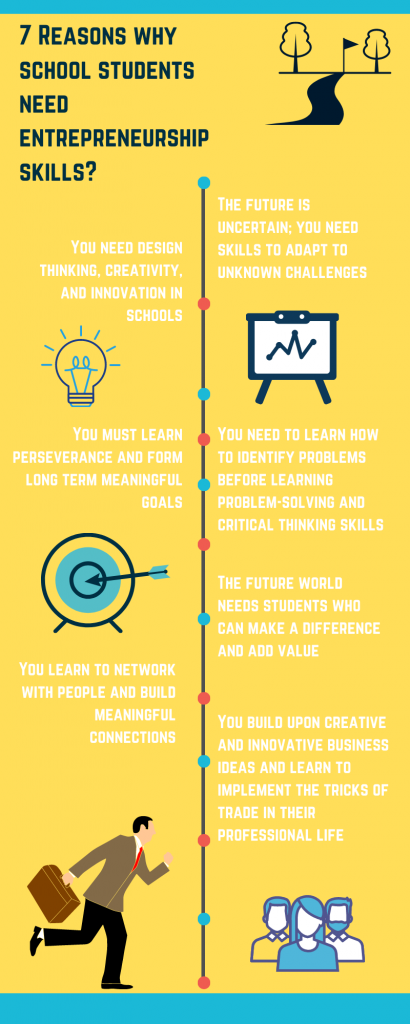
To adapt to the changing economic landscape, education systems must evolve their approach to teaching entrepreneurship. Embracing uncertainty and fostering a mindset that values innovation will be crucial for preparing students to navigate complex challenges. Schools should focus on teaching students to leverage their unique resources and take calculated risks, instilling confidence in their ability to succeed in an ever-changing environment. Integrating entrepreneurship across various subjects can help cultivate a generation of adaptable, entrepreneurial thinkers. By encouraging interdisciplinary learning and collaboration, schools can provide students with a more comprehensive understanding of entrepreneurship. This shift in educational philosophy will better equip future leaders to tackle the challenges of the modern economy and drive innovation in their communities.
Conclusion: A Call for Change
The current educational framework must recognize the importance of entrepreneurship in today’s economy. By reevaluating the purpose of education and prioritizing entrepreneurial skills, schools can better prepare students for the future. Emphasizing real-world experience, creativity, and adaptability will be key to fostering successful entrepreneurs who can contribute meaningfully to society. Stakeholders, including educators, policymakers, and industry leaders, must advocate for changes in curricula, funding, and teaching methods to support this transformation. The potential for entrepreneurship education to thrive lies in the willingness to break free from outdated models and embrace a new vision for learning. By doing so, we can cultivate a generation of innovative thinkers ready to tackle the challenges of tomorrow and drive economic growth in a rapidly changing world.
Your Ad Here